

In a fueling station or skid-mounted gas station, the fuel dispenser pipeline system plays a critical role in ensuring safe, efficient, and clean fuel transfer. It consists of several integrated pipelines, each with specific functions to support oil filling, fuel dispensing, return flow, and waste discharge. The system is designed to maintain fuel quality, ensure operational safety, and prevent leakage or theft.
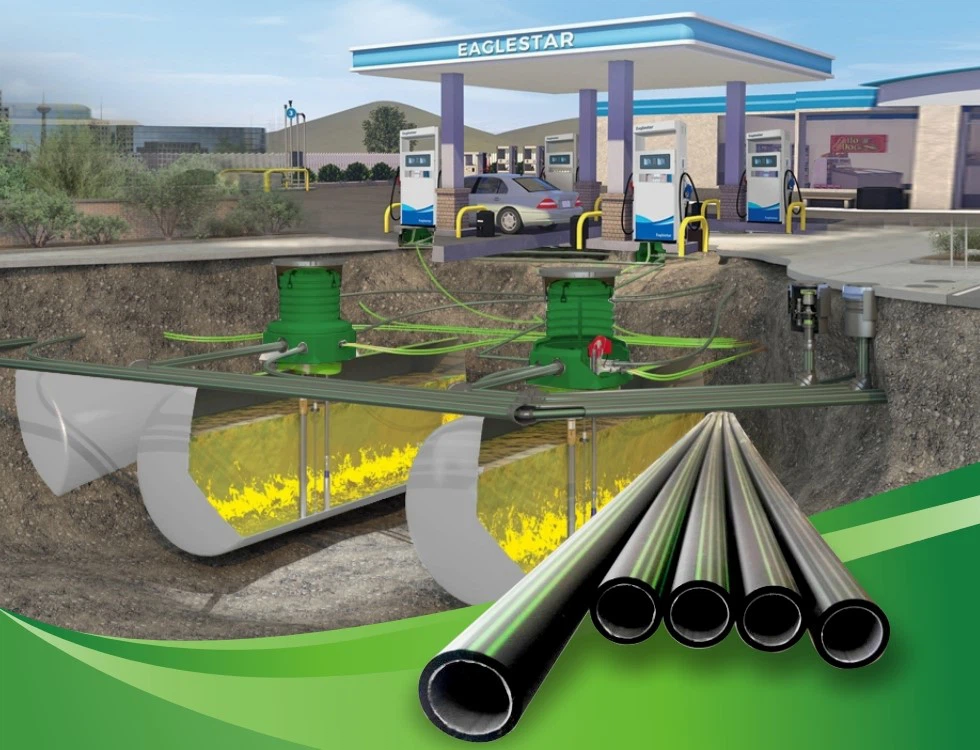
Key Components:
- Filling Pipeline
This pipeline is used to transfer fuel from delivery tankers into the underground or skid-mounted storage tank. Key components include:
Float Valve: Automatically shuts off fuel flow when the tank reaches a safe level, preventing overfilling.
Filter Screen: Blocks solid impurities and debris from entering the tank.
Check Valve: Prevents backflow and acts as an anti-theft measure.
Ball Valve: Serves as the main switch, only opened during refueling.
Quick Connector: Connects external tanker pipes securely for efficient fuel transfer.
Steel Pipe: Provides durable and pressure-resistant fuel transportation.
- Suction Pipeline
This pipeline delivers fuel from the storage tank to machinery or vehicles. It includes:
Suction Hose & Pump: Draws fuel from the tank.
Filter Device: Ensures fuel cleanliness by removing particles.
Anti-theft Valve: Prevents unauthorized fuel access.
Ball Valve: Controls fuel flow.
Flow Meter: Measures the amount of fuel dispensed accurately.
Fuel Nozzle: Allows safe and controlled fueling.
- Return Pipeline
In some systems, a return line is used to send excess or vaporized fuel back to the tank, reducing pressure and ensuring accurate metering.
- Drainage Pipeline
This pipeline is used for routine maintenance, allowing operators to remove sludge or contaminants from the bottom of the tank. Regular drainage helps maintain fuel purity and prolongs the service life of components.