

In the fuel dispensing industry, regular maintenance of the pump filter element is essential to ensure efficient operation and protect key components from contamination. For newly constructed fuel stations, it is recommended to replace the filter monthly due to the higher concentration of impurities typically present in new tanks and pipelines. At established stations with cleaner systems, a replacement every six months is usually sufficient. Manufacturers generally advise replacing the filter every 3–6 months or after filtering 50,000 to 100,000 liters of fuel, though exact intervals may vary by brand and should follow the equipment manual.
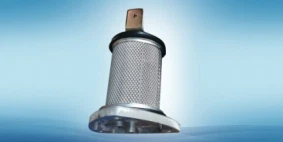
Several factors influence how often a filter needs to be replaced. Diesel, for example, contains more particulates and water than gasoline, leading to quicker filter saturation. Fuel quality also plays a major role-stations in dusty or humid environments or those receiving lower-grade fuel should shorten their maintenance cycles. Additionally, high-traffic stations with large daily throughput place greater stress on the filter, necessitating more frequent checks. Filters may also become clogged more quickly in areas with high wind, sand, or moisture, which accelerate debris buildup and corrosion.
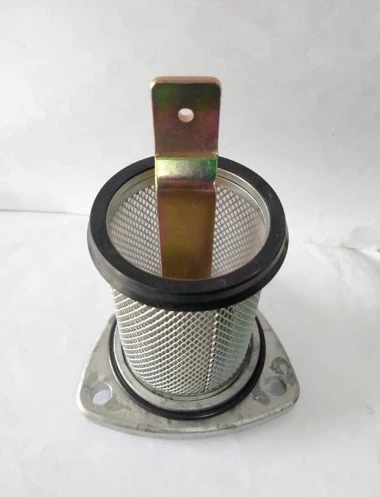
Operators can monitor filter condition using practical methods such as differential pressure gauges; when the pressure drop exceeds recommended values (typically 0.1–0.3 MPa), it's time for replacement. A noticeable decline in flow rate or slow fuel dispensing can also indicate a blocked filter. Visual inspections revealing discoloration, deformation, or heavy debris are another clear sign. Filters equipped with water sensors should be replaced immediately upon triggering an alarm. Best practices include monthly inspections, maintaining change records, training staff to identify warning signs, and keeping spare filters in stock to avoid operational disruptions.