


The financial and operational risks associated with underground fuel line failures are substantial, encompassing costly environmental remediation, regulatory penalties, and significant operational downtime. The Eaglestar Underground Pipeline System is specifically engineered to mitigate these risks by establishing a new standard in leak prevention and early detection for fuel transportation at underground service stations. Its fundamental design principle relies on a fail-safe double-wall construction. The primary inner conduit is tasked with the efficient conveyance of petroleum products such as gasoline and diesel. This inner pipe is continuously contained within a secondary, coaxial outer pipe which functions as a dedicated, high-integrity interstitial monitoring chamber. This crucial annular space between the two walls is actively monitored, creating a permanent and vigilant containment barrier. Any compromise of the inner pipe's integrity is immediately detected within this monitored space, triggering precise alarms long before any product can migrate into the surrounding soil. This architecture ensures that a primary containment failure does not become an environmental incident. Furthermore, the Eaglestar Underground Pipeline System is constructed from materials selected for their long-term compatibility with hydrocarbons and resistance to soil corrosion. The installation process emphasizes secure, sealed connections at every junction, guaranteeing the continuous integrity of both containment layers from the storage tank to the dispenser. By providing a physically segregated and constantly supervised secondary containment pathway, the Eaglestar Underground Pipeline System transforms passive piping into an intelligent, proactive safeguard. It delivers operators not just a pipeline, but a verifiable management system for environmental protection. This results in demonstrable regulatory compliance, a drastic reduction in long-term liability exposure, and the preservation of both community trust and site operational continuity, ultimately protecting valuable assets from the ground up.


Leak Detection & Environmental Safety
Facing stringent environmental regulations and the ever-present risk of subsurface fuel leaks, operators of underground storage and transfer systems are under constant pressure to prevent contamination and avoid substantial financial liabilities. The Eaglestar Underground Pipeline directly addresses this critical challenge through its fundamentally secure architecture. Eaglestar Underground Pipeline System incorporates a dual-layer design where a robust outer wall serves as a continuous containment barrier, fully encapsulating the inner primary fuel-carrying conduit. An interstitial space is maintained between these two independent walls, forming a dedicated monitoring zone. Any breach or permeation that might occur in the primary line is immediately captured and contained within this annular space, physically preventing any escaped product from reaching the surrounding soil or groundwater. This integral secondary containment is not a passive feature; it is actively supervised. A highly sensitive monitoring system continuously scans the interstitial volume, detecting the presence of liquid with precision at the earliest possible moment. This immediate detection triggers automated alerts, enabling corrective action to be taken before an incident escalates. The Eaglestar Underground Pipeline System construction and its integrated detection methodology are engineered to meet and exceed the most stringent industry and governmental requirements for secondary containment, including those set by the EPA and UL standards. This certification provides documented verification of a 100% leak-proof performance specification. Consequently, the Eaglestar Underground Pipeline transforms environmental safety from a reactive concern into a proactively managed certainty. It eliminates the risk of undetected, long-term spills that lead to extensive remediation projects, regulatory penalties, and reputational damage. By ensuring that every section of the transfer route is continuously protected and monitored, the system delivers not just infrastructure, but verifiable peace of mind and operational integrity for the long term.
Flexible & Durable Construction
Buried infrastructure is expected to remain static, but the ground surrounding it is not. Traditional rigid piping systems face a constant challenge when soil settles, seismic waves transmit energy, or the repeated weight of heavy vehicles induces stress. These forces can concentrate at connection points, leading to misalignment, cracks, and ultimately, catastrophic failure and service interruption. The Eaglestar Underground Pipeline directly addresses this fundamental engineering conflict through a design philosophy that prioritizes harmonious interaction with dynamic environments. Its high-impact resistance is not merely a claim; the pipe's engineered material composition and profile allow it to absorb and distribute external forces generated by ground movement and significant traffic loads. This capability prevents the propagation of cracks and maintains structural integrity under conditions that would cause brittle alternatives to fracture. Complementing this inherent resilience is the innovative flexible jointing method. Each pipe section is connected using a controlled heat-fusion process, which molecularly bonds the joints to create a seamless, monolithic pipeline structure. This critical technique completely eliminates the mechanical weak points inherent in threaded, bell-and-spigot, or gasketed metal pipe systems. The resulting continuous conduit possesses a designed flexibility that allows it to accommodate minor ground shifts without compromising its watertight seal or linear strength. Consequently, the Eaglestar pipeline delivers a demonstrable reduction in long-term maintenance liabilities and system downtime. Its flexible and durable construction translates directly into a predictable service lifecycle, providing project engineers and asset managers with a subsurface solution that is installed not just for immediate function, but for persistent, reliable performance across decades of environmental change and surface activity.
Low Maintenance & Long Service Life
Owners and operators of subsurface infrastructure face a relentless challenge: the inevitable degradation of pipeline networks buried in aggressive soils or conveying demanding media. Corrosion, friction-induced pressure loss, and biological fouling collectively undermine system integrity, drive up operational costs through frequent interventions, and threaten long-term supply reliability. The Eaglestar Underground Pipeline directly confronts these issues with an engineered solution designed to outperform conventional alternatives across decades of service. Its core advantage is a demonstrated service life expectation that extends over half a century, a performance benchmark substantiated by material science that renders it inherently resistant to the electrochemical and chemical attacks which typically compromise steel or fiberglass composites in harsh environments. This longevity is not a claim but a quantifiable outcome of its material composition and manufacturing process, effectively eliminating the cycle of replacement and associated capital expenditure that plagues lesser systems. A critical performance feature is the hydraulically smooth interior surface of the pipeline. This finish produces a measurable reduction in frictional resistance to fluid flow, which directly translates to maintained design flow rates with lower pumping energy consumption over the system's entire lifetime. Furthermore, this non-porous, seamless surface actively inhibits the adhesion and proliferation of biofilm and mineral scale, preserving internal diameter and hydraulic efficiency without the need for costly chemical or mechanical cleaning regimens. Consequently, the pipeline system delivers sustained flow assurance and operational predictability. By integrating these attributes-extreme durability, optimized hydraulic performance, and inherent resistance to internal fouling-the Eaglestar Underground Pipeline transitions from a mere component to a strategic asset. It provides a definitive answer to the total cost of ownership, minimizing downtime, eliminating routine maintenance burdens, and securing uninterrupted operation for the long term.

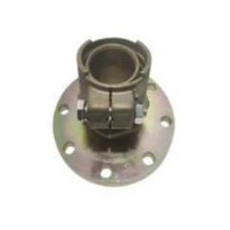
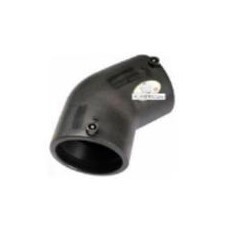
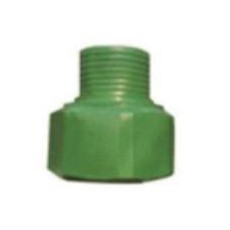
Manhole sump

Tees

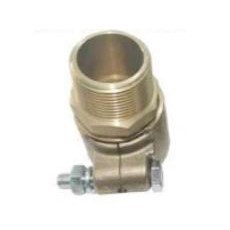
Dispenser sump

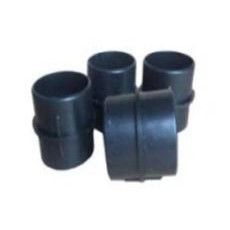
Welding socket
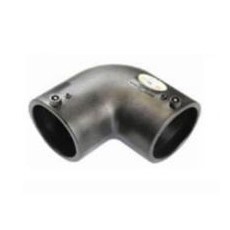
90°Elbow



Two-Decade Expertise
Over 20 years of industry experience since 2005.

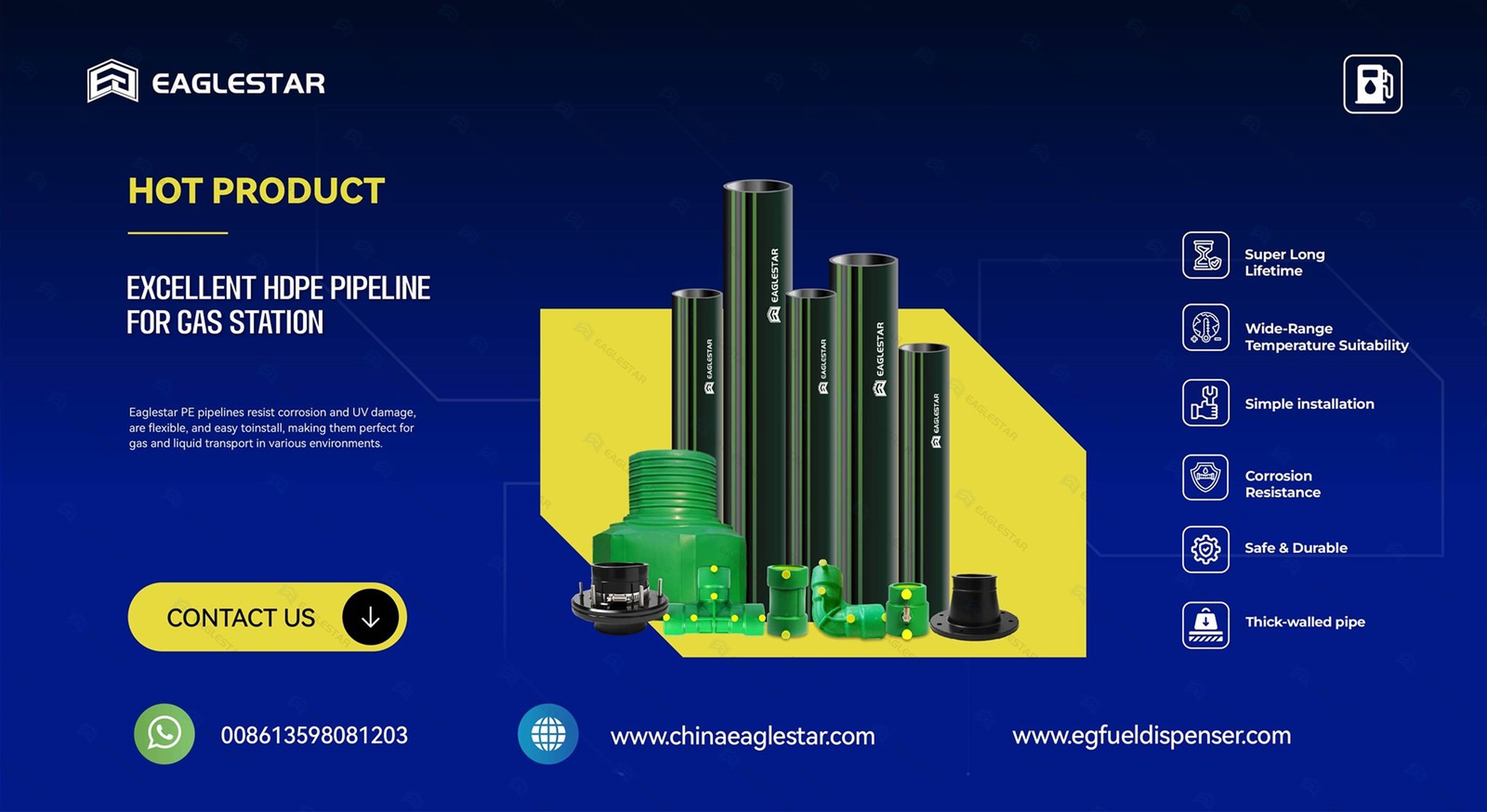
Eaglestar Double-Wall Pipe System
Eco-Friendly & Cost-Effective

Spacious Facility
A 4000 square meters modern production plant.

Efficient Delivery
Reliable and highly efficient delivery and packaging.
FAQ
Q: How is an operational lifespan exceeding half a century validated for the Eaglestar Underground Pipeline, and what does this mean for total project cost?
A: A claimed lifespan of 50+ years is a significant engineering promise that requires validation beyond accelerated laboratory testing. This projection is primarily derived from the pipeline's fundamental material science and its proven performance in analogous, long-term service environments. The material composition is engineered to possess inherent immunity to the electrochemical reactions that cause corrosion in metallic pipes, such as steel. Furthermore, its structural matrix is formulated to resist degradation from a wide spectrum of chemicals, solvents, and acidic or alkaline soils that commonly compromise alternative materials like fiberglass over time. This longevity directly recalibrates the total cost of ownership (TCO) equation for infrastructure projects. While the initial capital outlay is considered, the dominant financial burden in pipeline projects often lies in future maintenance, unscheduled repairs, and premature replacement. By virtually eliminating these recurring costs-no need for cathodic protection systems, external coatings, or frequent integrity inspections-the Eaglestar pipeline transforms a line item from a long-term liability into a predictable, fixed capital asset. This allows for more accurate long-term budgeting, reduces lifecycle operational expenditure by a substantial margin, and delivers a demonstrably lower TCO when evaluated over the full project timeline compared to systems requiring intervention every 15-25 years.
Q: What specific properties allow the Eaglestar pipeline to outperform steel and fiberglass pipes in harsh environments?
A: The performance differential stems from a targeted approach to material weaknesses. Steel pipes, despite their strength, are inherently vulnerable to corrosion. This necessitates a complex and perpetual regime of protective coatings, sacrificial anodes (cathodic protection), and regular monitoring, all of which fail to guarantee immunity, especially at weld points or if the coating is damaged during installation. The Eaglestar pipeline's material is non-metallic and non-corroding by design, removing this failure mode entirely. Fiberglass-reinforced pipes, while corrosion-resistant, can suffer from permeability issues, liner degradation, and susceptibility to cracking or delamination under sustained hydrostatic pressure or soil stress. Our pipeline is manufactured through a monolithic process that creates a homogeneous, non-layered structure with superior dimensional stability and long-term pressure rating retention. It maintains consistent mechanical properties across a broad temperature range and is impervious to galvanic, microbiologically influenced, and stress corrosion cracking. This consolidated robustness ensures that the pipeline's structural integrity and pressure-bearing capability remain uncompromised by decades of exposure to aggressive soils, stray currents, or fluctuating water tables.
Q: In practical terms, how does the hydraulically smooth inner surface contribute to operational efficiency and system hygiene?
A: The interior surface finish is a critical, performance-defining characteristic with multiple quantifiable benefits. In fluid dynamics, friction loss is a function of the pipe's internal roughness; a smoother surface directly reduces the hydraulic resistance coefficient. For operators, this means that for a given pumping power, a higher flow rate can be achieved, or conversely, the same design flow rate can be maintained with less energy input. Over a 50-year service life, the cumulative savings in pumping energy costs are substantial. Secondly, this ultra-smooth, non-porous finish presents no mechanical foothold for particulates, biofilm, or scale to adhere. In systems transporting water or other fluids prone to biological activity, this dramatically slows the formation of biofilm slime layers, which can harbor pathogens, reduce effective diameter, and increase friction. For potable water or sensitive process fluids, this inherent cleanliness minimizes the need for aggressive chemical cleaning or "pigging" operations to restore flow, thereby reducing maintenance costs, downtime, and the risk of contamination from cleaning agents. The pipeline essentially maintains its as-new hydraulic capacity and internal hygiene profile throughout its decades of service.
Q: What does "Low Maintenance" entail specifically for an operator, and are there any routine service requirements?
A: The "Low Maintenance" designation is a direct consequence of the product's passive durability, not a schedule of infrequent checks. In practical terms for an operator, it means that once the Eaglestar pipeline is installed and commissioned according to specifications, there are no prescribed, time-based maintenance tasks for the pipeline itself. Unlike steel systems, there is no requirement to inspect or replenish cathodic protection systems, no need for periodic external coating repairs, and no necessity for inline inspection tool runs to check for wall thinning due to corrosion. The monolithic, corrosion-immune structure does not degrade in a way that requires monitoring or intervention. Maintenance activities, therefore, shift focus solely to the ancillary system components-valves, pumps, and joints-which are standard across any piping system. This represents a paradigm shift from asset management based on preventative maintenance and risk mitigation of corrosion failure to one of simple operational oversight. The result is a drastic reduction in lifecycle operational labor, specialized inspection services, and inventory of repair materials, freeing operational budgets and personnel for other priorities.
Q: For which specific applications and environmental conditions is this pipeline system most advantageous?
A: This pipeline is engineered as a superior solution for permanent, buried infrastructure where long-term reliability and minimal operational disruption are paramount. Its most significant advantages are realized in inherently harsh or critical applications. These include: industrial effluent and process lines carrying aggressive chemicals where metallic pipe longevity is severely compromised; coastal or high-salinity environments where salt-induced corrosion is accelerated; sections crossing areas with stray electrical currents that rapidly degrade steel; potable water distribution networks where maintaining water quality and minimizing disruptive cleaning is crucial; and any remote or difficult-to-access location where the cost and logistics of repair or replacement are prohibitively high. It is also ideal for situations where soil resistivity is poor, making effective cathodic protection for steel problematic and expensive. Essentially, any subsurface application where the total cost of ownership over a multi-decade horizon is a key decision factor, and where failure of the line would have severe operational, financial, or environmental consequences, stands to benefit most from this technology.
Q: How does the combination of longevity and hydraulic efficiency impact the sustainability profile of a project?
A: The sustainability impact is profound and multi-faceted, addressing both resource efficiency and operational footprint. First, the multi-decade service life defers the resource consumption, energy expenditure, and environmental disruption associated with manufacturing and installing a replacement pipeline for generations. This is a direct application of the "longer-lasting" principle of sustainability. Second, the sustained hydraulic efficiency due to the permanent smooth interior surface translates to continuous energy savings in pumping operations. Over 50 years, the reduction in electricity or fuel consumption for fluid transport amounts to a massive decrease in the project's operational carbon emissions. Third, the elimination of corrosion and associated leaks prevents the potential contamination of surrounding soil and groundwater, protecting local ecosystems. Finally, by removing the need for maintenance activities like coating repair, cathodic protection monitoring, and chemical cleaning, the ongoing environmental impact related to these processes-from transport of crews and materials to the use of chemicals-is negated. Therefore, the pipeline contributes to a sustainable project not merely by the inertness of its materials, but actively through decades of reduced energy use and eliminated maintenance interventions.
Hot Tags: underground pipeline, China underground pipeline manufacturers, factory, Pe Natural Gas Pipe, HDPE Pipeline, pipeline, Polyethylene Gas Pipes, Polyethylene Gas Piping, HDPE Gas Pipe